The Ultimate Guide to Bumper Repair: What Every Car Owner Should Know
ss
Understanding Bumper Damage
Bumpers are essential components of your car, designed to absorb impact and protect the vehicle's structure during minor collisions. However, they are often the first to bear the brunt of any accident, leading to various types of damage. Understanding the different kinds of bumper damage is crucial for effective repair.
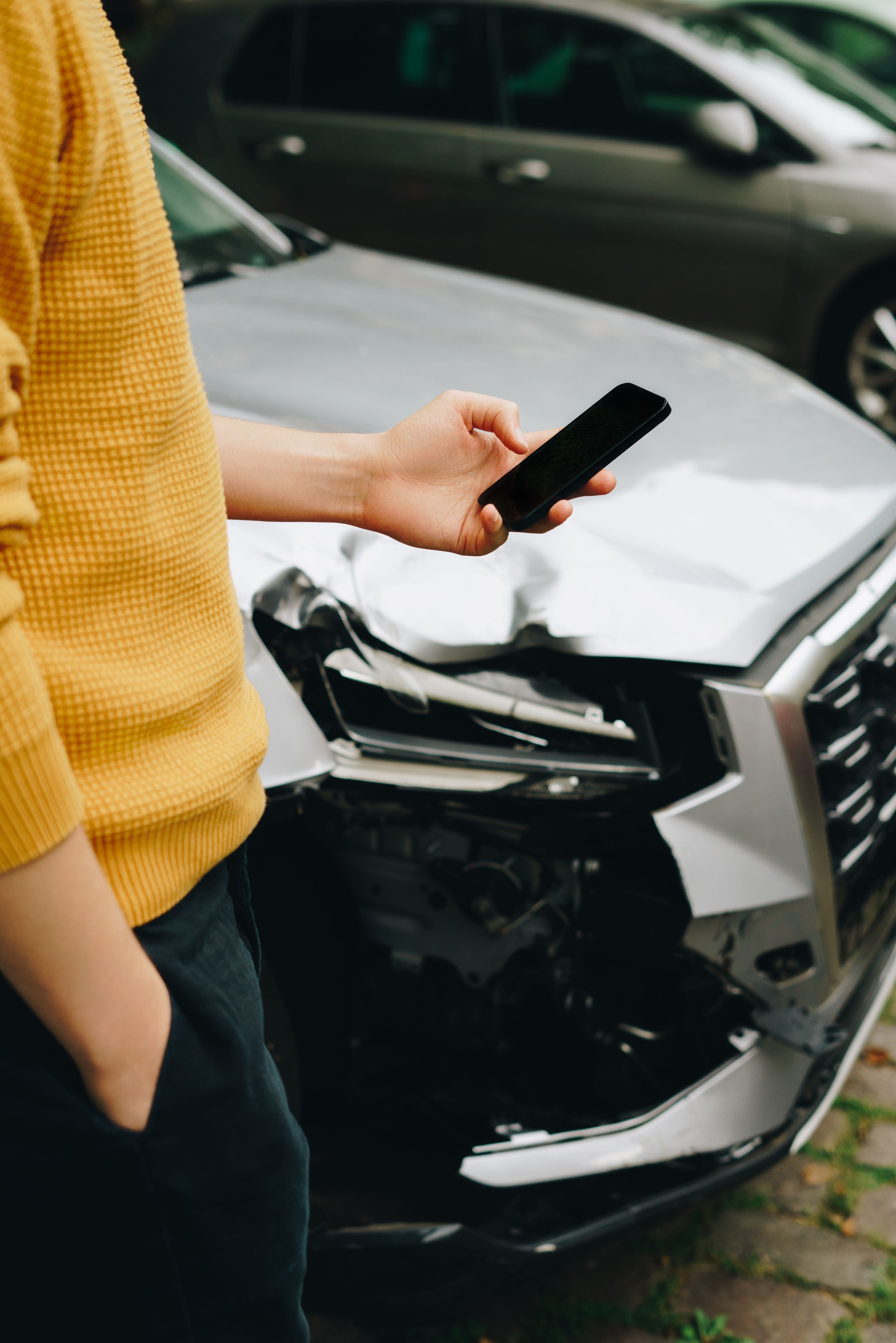
Common issues include scratches, dents, and cracks. Scratches can occur from minor brushes with other vehicles or objects, while dents usually result from more significant impacts. Cracks are often the most severe type of damage, potentially compromising the bumper's integrity.
When to Repair vs. Replace
Determining whether to repair or replace a bumper depends on the extent of the damage. Repairing is often a cost-effective option when dealing with minor scratches or small dents. These can typically be fixed with specialized tools and techniques, restoring the bumper's appearance and functionality.
However, if the bumper is severely cracked or the damage affects the vehicle's safety features, replacement may be necessary. Consulting with a professional can help you make an informed decision based on the specific condition of your bumper.
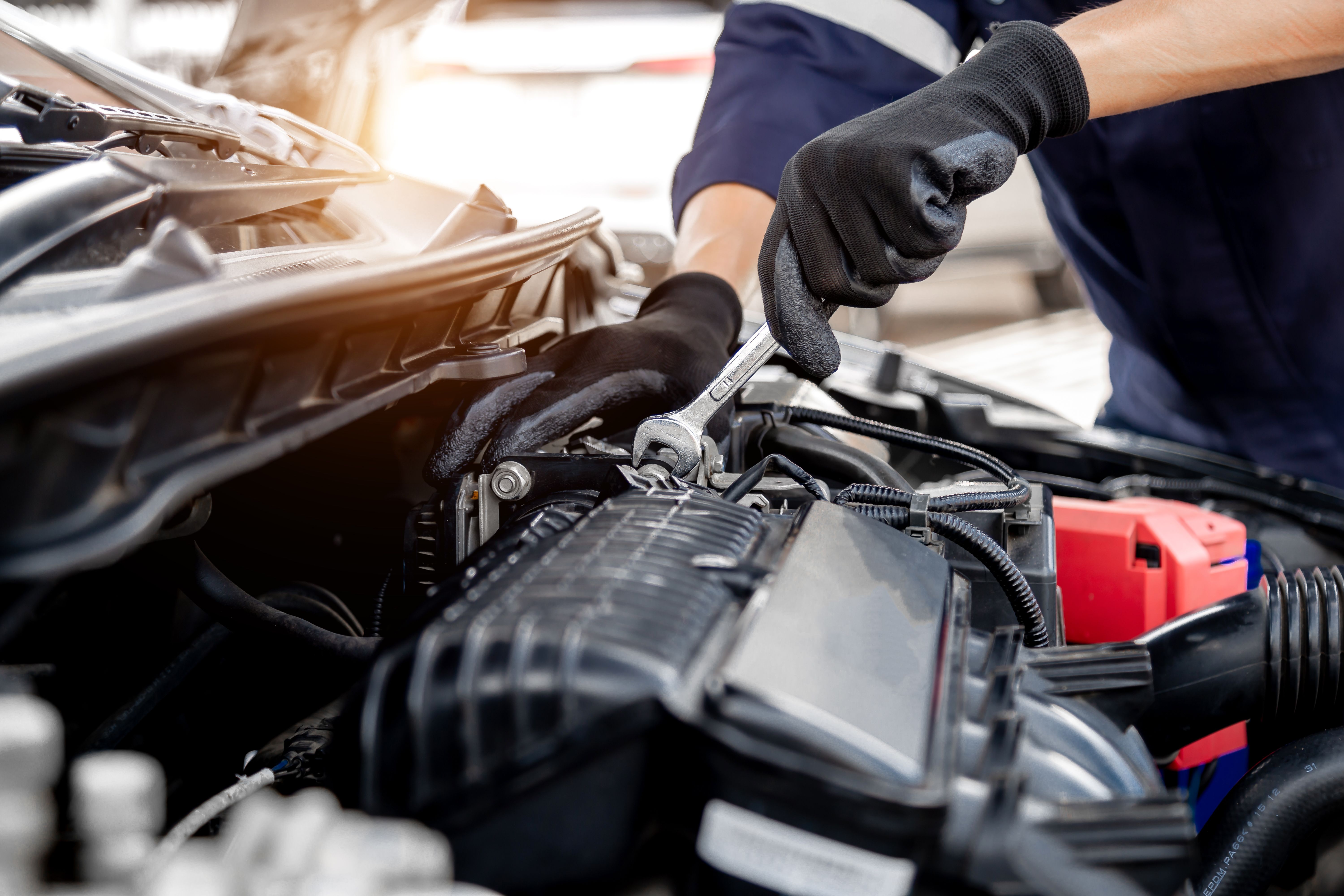
Steps to Repair a Bumper
- Assess the Damage: Inspect the bumper to identify the type and extent of the damage.
- Gather Tools and Materials: You may need sandpaper, filler, primer, and paint for minor repairs.
- Smooth Out Imperfections: Use sandpaper to smooth scratches or fill dents with a filler.
- Apply Primer and Paint: Once the surface is smooth, apply primer and paint to match the rest of the car.
These steps can often be done at home, but for more severe damage, professional services might be required.
Choosing a Professional Service
If you opt for professional repair, choose a reputable service provider. Look for shops with certified technicians and positive customer reviews. This ensures that your car receives the best possible care and that the repairs will last.
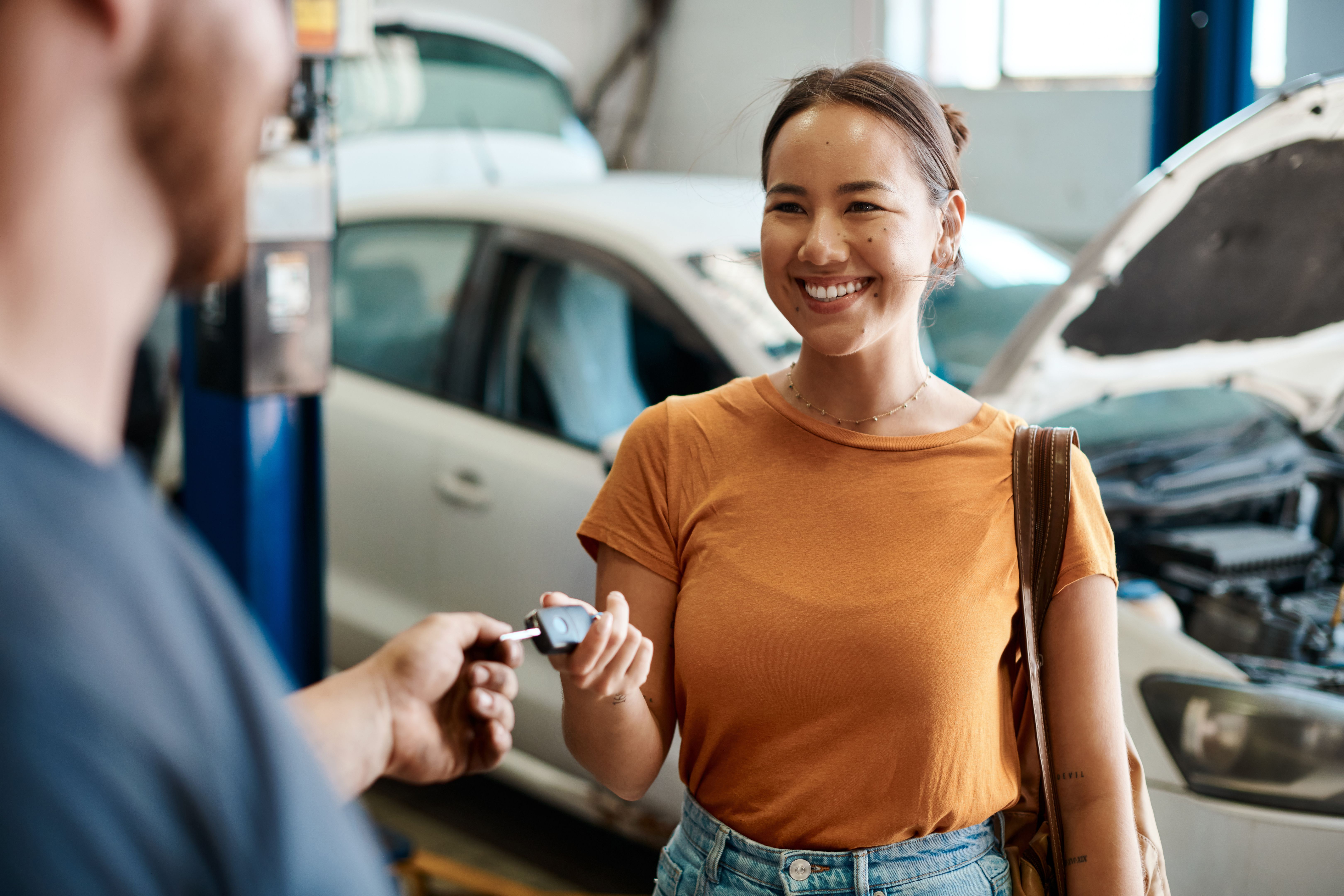
Professional services can also offer warranties on their work, providing peace of mind and additional protection for your vehicle.
Preventing Future Damage
While accidents are sometimes unavoidable, taking certain precautions can help minimize the risk of bumper damage. Parking in safe areas and maintaining a safe distance from other vehicles on the road are simple yet effective strategies.
Additionally, regular maintenance checks can help identify potential issues before they escalate, ensuring your bumper remains in good condition for longer.
Conclusion
Understanding bumper repair is an essential part of car ownership. Whether you choose to handle minor repairs yourself or seek professional assistance, keeping your bumper in top shape enhances both the appearance and safety of your vehicle. By following these guidelines, you can ensure your car remains road-ready and looking its best.