Advancements in Diagnostic Tools
The collision repair industry is experiencing a technological revolution, with diagnostic tools leading the charge. Modern vehicles are equipped with complex electronic systems, making precise diagnostics essential. Advanced diagnostic tools now provide technicians with real-time data, allowing for quicker and more accurate assessments. These tools can identify issues that might have been easily overlooked in the past, ensuring comprehensive repairs.

Moreover, many shops are adopting cloud-based diagnostic platforms. These systems offer the advantage of remote access, enabling technicians to collaborate and consult with experts from different locations. This shift not only enhances efficiency but also improves the quality of service provided to customers.
Automated Repair Systems
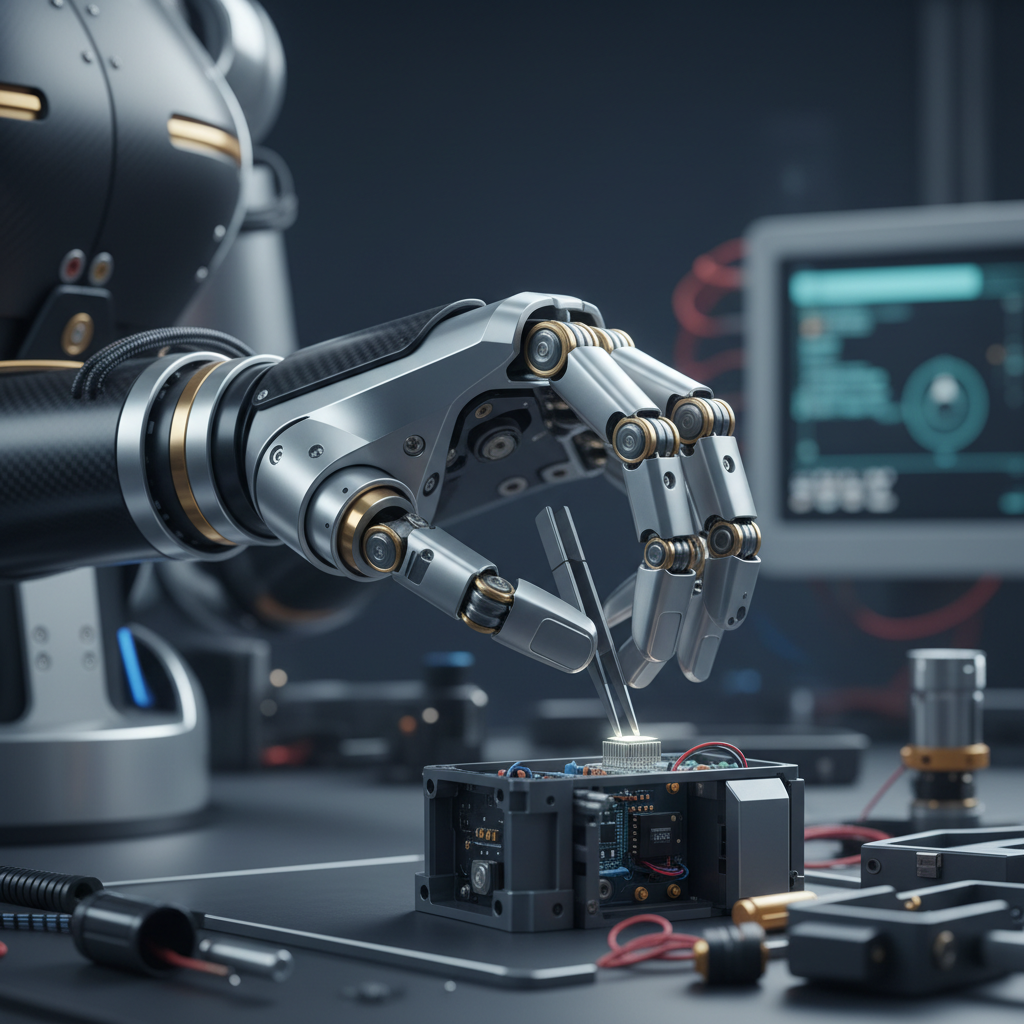
Automation is another significant trend in collision repair technology. Automated systems are now being used to perform tasks that were once manual and time-consuming. Robotic arms and automated paint booths are becoming commonplace, reducing labor costs and improving precision.
These systems enhance the consistency of repairs, ensuring that every job meets high-quality standards. Additionally, automated systems can handle repetitive tasks, allowing technicians to focus on more complex aspects of repair work.
3D Printing in Repair
3D printing technology is making waves in collision repair, offering solutions for creating custom parts and prototypes. This innovation is particularly beneficial when dealing with older vehicles or rare models where parts are difficult to find. With 3D printing, repair shops can produce the exact components needed, minimizing wait times and improving service delivery.
Augmented Reality (AR) Training
Training has always been crucial in the collision repair industry, and Augmented Reality (AR) is transforming how technicians learn. AR training programs provide immersive experiences, allowing new technicians to practice complex procedures in a virtual environment before applying them in real life. This method enhances skill acquisition and boosts confidence among trainees.
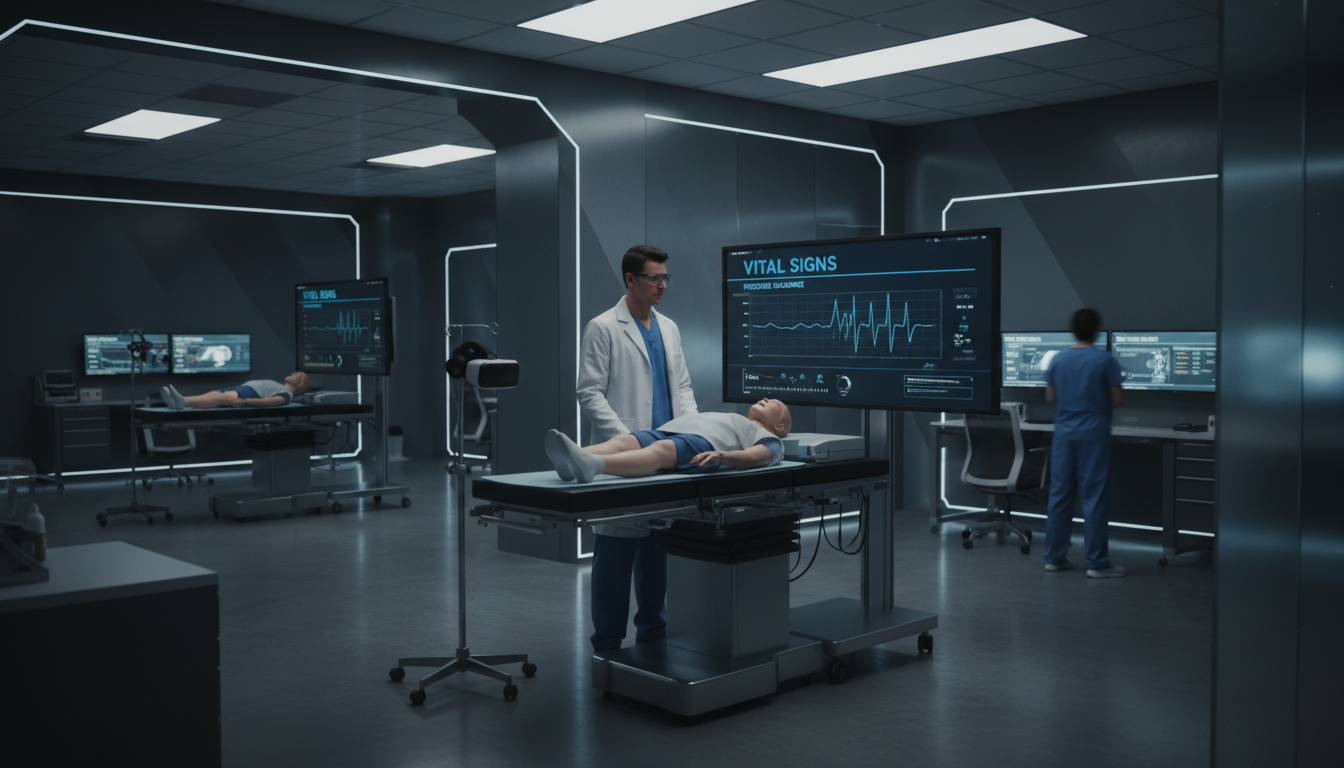
Furthermore, AR tools can assist in real-time diagnostics and repair, guiding technicians through step-by-step processes. This support reduces the likelihood of errors and increases repair accuracy.
Sustainability in Collision Repair
Sustainability is becoming a priority in collision repair technology. Many shops are adopting eco-friendly practices, such as using waterborne paints and recycled materials. This shift not only reduces the environmental impact but also appeals to a growing number of environmentally conscious customers.
Emission reduction technologies are also being integrated into repair processes, minimizing the carbon footprint of the industry. Repair shops are now focusing on energy-efficient equipment and sustainable waste management practices, aligning with global sustainability goals.
Telematics and Connectivity
Telematics and vehicle connectivity are reshaping how collision repair shops operate. These technologies provide real-time data about vehicle performance and condition, enabling proactive maintenance and repair. Connected vehicles can alert repair shops about potential issues before they become significant problems, allowing for timely interventions.
The integration of telematics systems in repair processes enhances customer service, as shops can offer personalized maintenance plans based on actual vehicle usage and conditions. This proactive approach not only increases customer satisfaction but also builds long-term trust and loyalty.