Latest Automotive Technology: How Innovations Are Shaping Collision Repairs in Canada
ss
The Impact of Automotive Technology on Collision Repairs
The automotive industry is experiencing a technological revolution that is transforming every aspect of vehicle design and maintenance. In Canada, these innovations are significantly impacting the field of collision repairs, bringing about new challenges and opportunities for repair professionals.
From advanced driver-assistance systems (ADAS) to cutting-edge materials, the latest technologies are reshaping how collisions are handled. Understanding these changes is crucial for both consumers and professionals in the automotive repair industry.

Advanced Driver-Assistance Systems (ADAS)
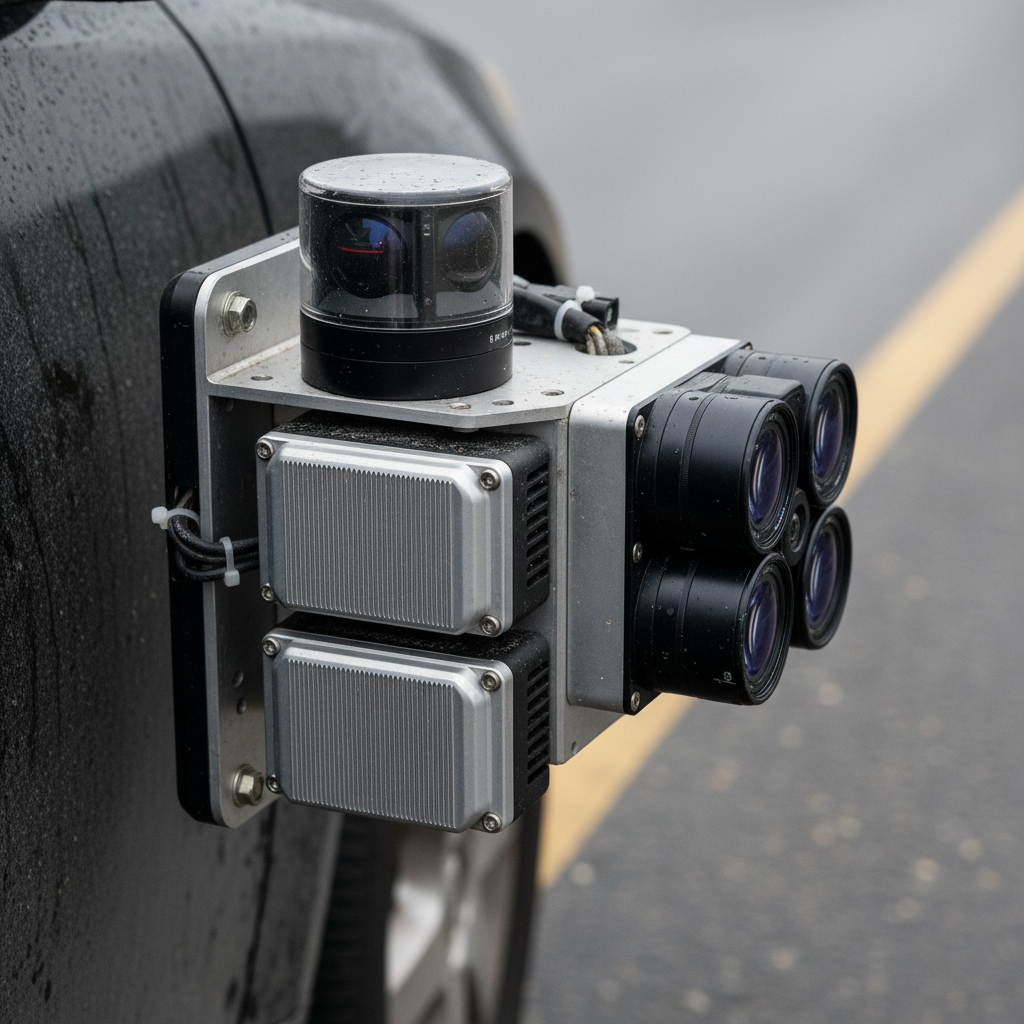
ADAS technology is designed to enhance vehicle safety and facilitate safer driving. These systems include features like adaptive cruise control, lane-keeping assistance, and automatic emergency braking. While they reduce the likelihood of accidents, they also add complexity to collision repair processes.
Repairing vehicles equipped with ADAS requires specialized tools and training. Technicians must be adept at recalibrating sensors and cameras to ensure proper functionality post-repair. This need for specialized skills is driving demand for advanced training programs in Canada.
Innovative Materials and Repair Techniques
Modern vehicles often incorporate lightweight materials such as aluminum and carbon fiber to improve fuel efficiency and performance. While these materials offer numerous benefits, they also present unique challenges in collision repair.
Aluminum, for instance, requires different handling and welding techniques compared to traditional steel. Repair shops across Canada are investing in new equipment and training to accommodate these materials, ensuring they can provide quality repairs while adhering to manufacturer specifications.

The Role of Artificial Intelligence
Artificial intelligence is playing a significant role in modernizing collision repairs. AI-driven diagnostic tools can quickly assess damage and suggest optimal repair strategies, streamlining the repair process.
These tools are proving invaluable in reducing repair time and improving accuracy. For repair shops, adopting AI technology means staying competitive in an ever-evolving industry.
Electric Vehicles and Collision Repairs
The rise of electric vehicles (EVs) is another factor influencing collision repairs in Canada. EVs have unique construction and electrical systems that require specialized knowledge and tools.
Repairing an EV involves handling high-voltage systems safely and understanding the intricacies of their design. As EV adoption continues to grow, repair shops are increasingly focusing on building expertise in this area.

Conclusion: Embracing Technological Advancements
The collision repair industry in Canada is undergoing a significant transformation driven by technological advancements in the automotive sector. Embracing these changes is essential for repair professionals to meet the evolving needs of consumers.
By investing in training, adopting new technologies, and understanding the latest materials, the industry can continue to provide top-notch service and maintain safety standards. As technology progresses, staying informed and adaptable will be key to success in the collision repair landscape.