Comprehensive Guide to Collision Repair: What Every Car Owner in Surrey Needs to Know
ss
Living in Surrey, car owners often encounter the need for collision repair services. Whether it's a minor fender bender or a more serious accident, understanding the collision repair process can save you time, money, and stress. This comprehensive guide will walk you through everything you need to know about collision repair.
Understanding Collision Repair
Collision repair involves restoring a vehicle to its pre-accident condition. This process can include repairing or replacing damaged parts, repainting, and ensuring the vehicle is safe to drive. It's essential to choose a reputable repair shop that uses quality parts and employs skilled technicians.
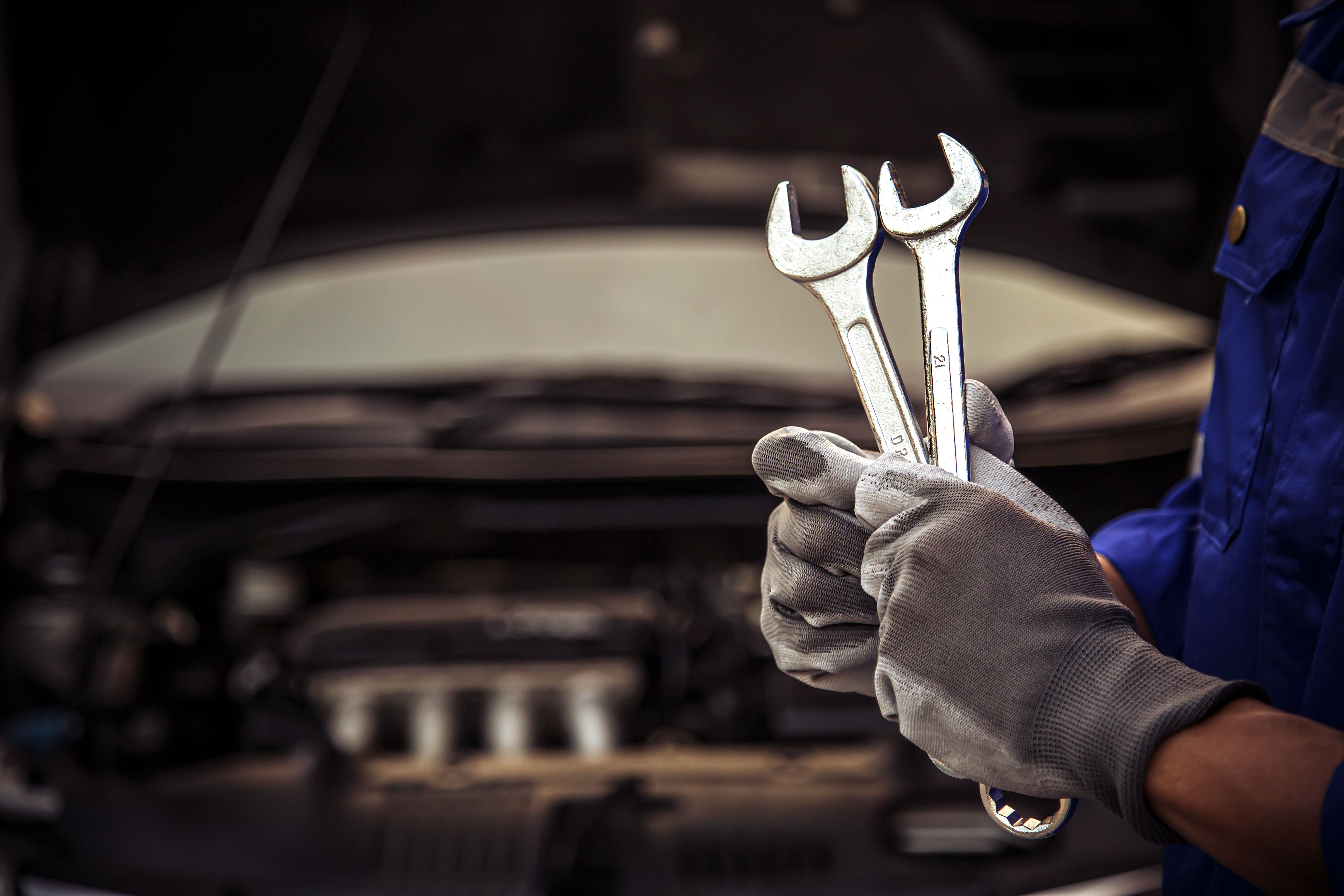
Choosing a Collision Repair Shop
When selecting a collision repair shop, consider factors such as reputation, experience, and certifications. Look for shops that are certified by manufacturers, as this indicates they meet the standards for quality and safety. Additionally, reading customer reviews and asking for recommendations can provide valuable insights.
The Collision Repair Process
Understanding the repair process can help you set realistic expectations. Here's a typical sequence of events:
- Damage Assessment: A thorough inspection to determine the extent of the damage.
- Estimate Preparation: A detailed estimate of the repair costs.
- Insurance Approval: Coordination with your insurance company for coverage.
- Repair Work: The actual repair process, including part replacement and painting.
- Final Inspection: A comprehensive check to ensure all repairs meet quality standards.
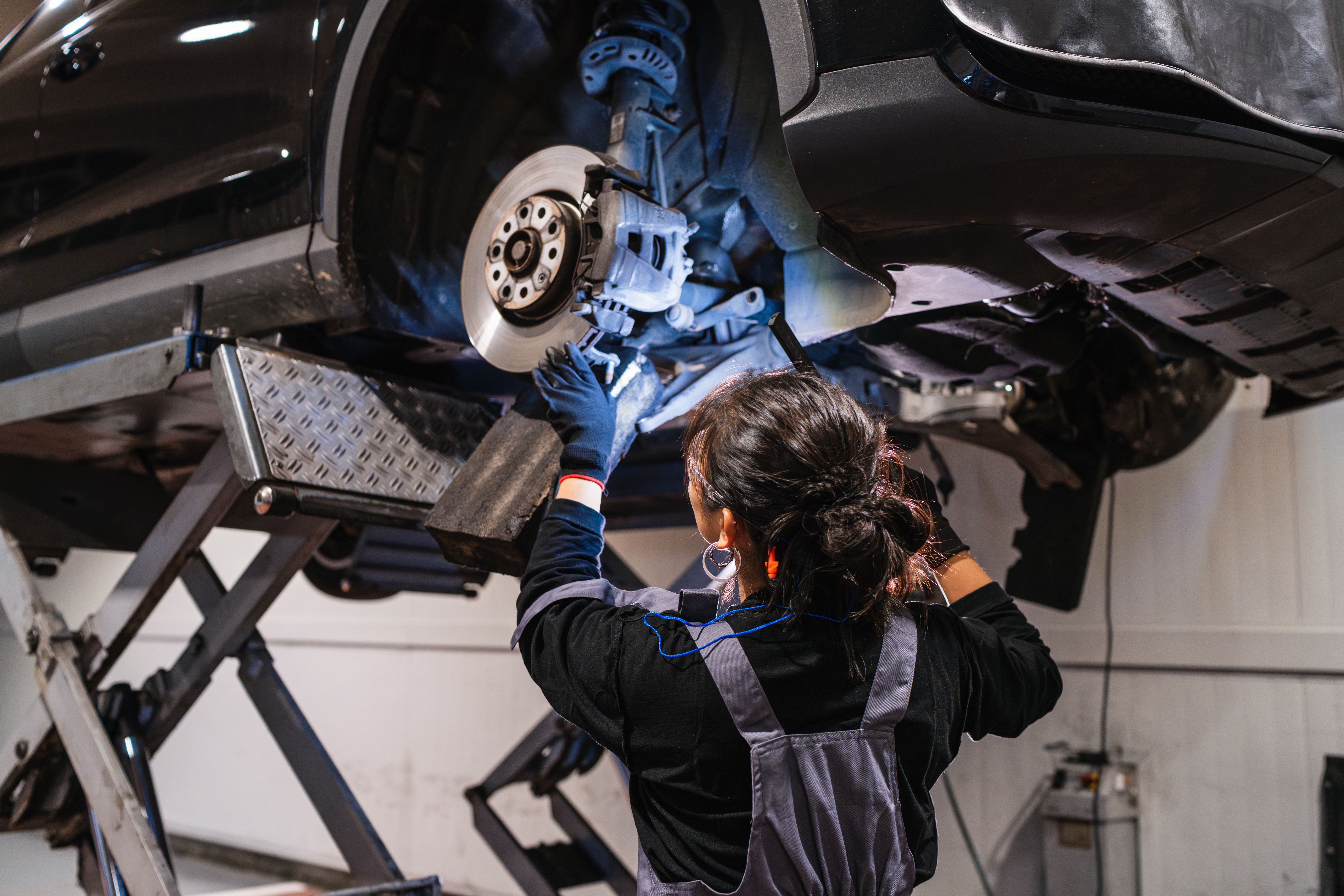
Common Collision Repairs
Collision repair can range from minor fixes to extensive overhauls. Some common repairs include:
- Bumper Repair: Often necessary after low-speed impacts.
- Paintless Dent Repair: Ideal for small dents without paint damage.
- Frame Straightening: Critical for maintaining vehicle safety after a severe collision.
- Windshield Replacement: Essential for visibility and safety if damaged.
Working with Insurance Companies
Dealing with insurance companies can be daunting, but understanding your policy and coverage will simplify the process. Always provide accurate details about the accident and keep records of all communications. It's also wise to understand the terms of your insurance, such as deductibles and coverage limits.

Ensuring Quality Repairs
After the repairs are complete, it's crucial to inspect the work. Check for color match on painted surfaces, ensure all replaced parts are functioning correctly, and take the car for a test drive to listen for unusual noises. A reputable shop will offer a warranty on their work, giving you peace of mind.
By understanding the collision repair process and being proactive in your approach, you can ensure your vehicle is restored to its original condition efficiently and effectively. Whether you're dealing with a minor dent or a major repair, having the right information at your fingertips can make all the difference.